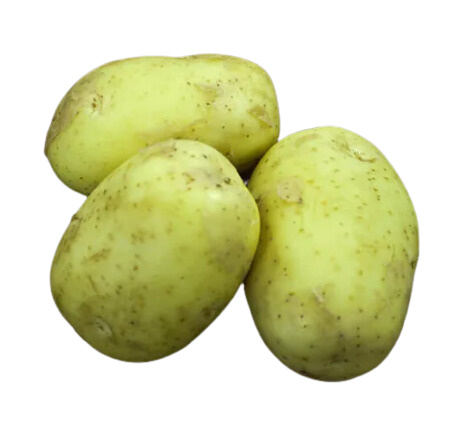

Cucumber is a widely cultivated plant that belongs to the gourd family, Cucurbitaceae. It is a creeping vine that produces long, cylindrical fruits known as cucumbers. Cucumbers are typically eaten as vegetables, either raw or pickled.
Key points about cucumbers:
- Varieties: There are many different varieties of cucumbers, including slicing cucumbers, pickling cucumbers, and seedless cucumbers. Slicing cucumbers are usually larger and have a mild flavour, while pickling cucumbers are smaller and have a slightly tangy taste.
- Nutritional Content: Cucumbers are low in calories and are a good source of hydration since they are made up of about 95% water. They also contain essential nutrients such as vitamin K, vitamin C, potassium, and dietary fibre.
- Culinary Uses: Cucumbers are often enjoyed fresh in salads, sandwiches, and as a refreshing snack. They can also be pickled to create dill pickles, bread and butter pickles, or used in relishes. Cucumber slices are sometimes used to infuse water with a subtle flavour.
- Skin and Seeds: The skin of a cucumber is usually green and can be smooth or slightly bumpy, depending on the variety. The seeds are edible, although some varieties may have fewer seeds or be seedless. If the skin is tough or bitter, it is often peeled before eating.
- Health Benefits: Cucumbers have several health benefits. They are hydrating, can aid in digestion due to their fibre content, and may help lower blood sugar levels. Additionally, cucumbers contain antioxidants that contribute to overall health and may have anti-inflammatory properties.
- Growing Cucumbers: Cucumbers can be grown in a variety of climates, but they thrive in warm temperatures. They are typically cultivated in gardens or farms, and they require well-drained soil and plenty of sunlight. Cucumbers can be grown from seeds or seedlings and need regular watering.